Friendly fraud and unrecognized charges: how to stop customers disputing payments they made
What friendly fraud is, why buyers dispute charges they made, and how a known name, receipts, quick refunds and evidence prevent these chargebacks.
On this page
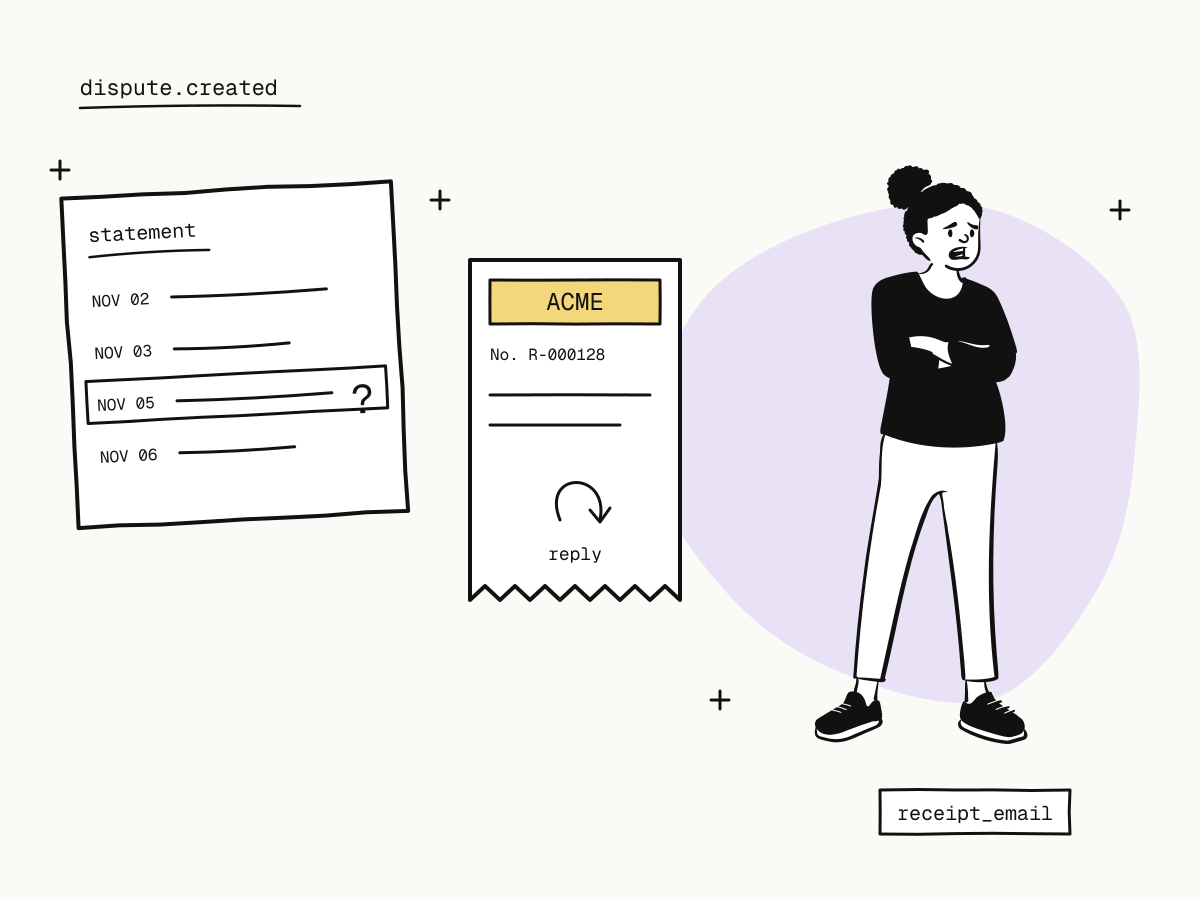
Friendly fraud is a chargeback filed by the real cardholder for a payment they did make. Sometimes it is deliberate, but very often it is not fraud in any criminal sense: the buyer does not recognise the charge, forgot the purchase, or could not reach the merchant and went to their bank instead. To the merchant the result is the same — the money is held, a fee may follow, and the dispute counts toward the chargeback rate.
This guide explains why friendly fraud happens, the steps that stop most unrecognized-charge disputes before they start, and what to do when one arrives anyway.
Why do buyers dispute charges they made?
- They do not recognise the name. The charge, the receipt or the checkout shows a name they do not connect with the shop.
- They forgot. A purchase from weeks ago, a family member using the card, a trial that converted.
- They could not reach you. No reply address, no visible support, no response — so they asked their bank.
- They are unhappy. Late delivery, a product that did not match, a refund that took too long — and a dispute felt faster.
- They are trying it on. A small share is deliberate; that is what evidence is for.
The first four are fixable on your side.
Make every touchpoint carry the name buyers know
- Your public name at checkout. Set the name buyers know — your shop or brand, not your legal entity — under Business name & branding, with your logo. Each app can carry its own name if you run several brands. See what is a hosted payment page.
- A clear order subject. The
subjectyou send on the order is what the buyer reads on the checkout and the receipt: "Annual Pro plan — Acme" says more than "Order #1001". - A receipt for every payment. Pass
receipt_emailand every paid order sends a receipt naming you, with a receipt number and a reply address that reaches you — see payment receipts.
Make yourself easy to reach
A buyer who can reach you rarely needs their bank.
- Receipt emails are sent with replies going to your business contact email — make sure someone reads it.
- Put support contact details on your site and in your order emails.
- Buyers who look up a charge they cannot place can contact the platform with the date, amount and last four digits of the card; they are told which merchant it was, or their request is passed on to you. Answer those quickly.
Refund before it becomes a dispute
When a buyer has a fair complaint, a prompt refund almost always costs less than a chargeback: a refund returns the money and ends there, while a chargeback freezes the amount at once, adds a fee if you lose, and counts toward your chargeback rate. Partial refunds let you settle a complaint without returning everything — see partial refunds explained.
Keep your chargeback rate in view
Friendly fraud counts toward the chargeback rate like any dispute. On KukoPay, over a rolling 30 days, live disputes opened divided by live paid orders:
- watch at 2 or more disputes and at least 0.65% — the platform is alerted;
- hold at 3 or more and at least 0.9% — payouts are suspended until the platform reviews; payments, refunds and dispute responses carry on.
The chargeback guide explains the thresholds and how disputes move money.
When a friendly-fraud dispute arrives
Disputes over payments the buyer made are winnable with the right evidence — which is why it pays to keep it from the start:
- Proof of delivery or use — tracking numbers, delivery confirmation, login and usage records for digital services;
- Communication — emails or chats showing the buyer knew about and accepted the purchase;
- The receipt you sent, and the terms and refund policy they agreed to;
- Account history — earlier undisputed purchases from the same buyer.
Assemble the evidence as a draft and submit it before the deadline; submission cannot be undone. Note that 3D Secure's liability shift covers fraud claims ("I did not make this payment"), not "not received" or "not as described" — see what is 3D Secure.
A friendly fraud prevention checklist
- Show buyers the name they know — at checkout, on the order subject and on the receipt;
- send a receipt for every payment, with a reply address someone reads;
- publish support contacts and answer fast;
- refund fair complaints promptly instead of waiting for a dispute;
- keep delivery, usage and communication records for every order;
- watch your chargeback rate, not just individual disputes.
Summary
- Friendly fraud is a chargeback from the real cardholder — usually confusion, forgetfulness or frustration, sometimes deliberate;
- a recognisable public name, a clear order subject and a receipt for every payment stop most unrecognized-charge disputes;
- being easy to reach and refunding fair complaints promptly stops most of the rest;
- disputes count toward the chargeback rate; on KukoPay, 0.9% with 3 disputes over 30 days suspends payouts;
- when one arrives, answer with delivery, usage and communication evidence before the deadline.
Try it in the sandbox
Create a merchant account and request a test key. The sandbox needs no business verification.